Over 750,000 people in the United States have cerebral palsy (CP). CP is a group of permanent disorders of movement and posture caused by damage to the developing brain. This damage usually occurs before, at, or right after birth. There are many different types of CP based on where in the brain the damage occurred and how severe the damage is. It is classified several different ways including which parts of the body are affected, movement differences, and functional abilities. Every single case is different, and many people are surprised when they find out I am one of those 750,000 people with CP.

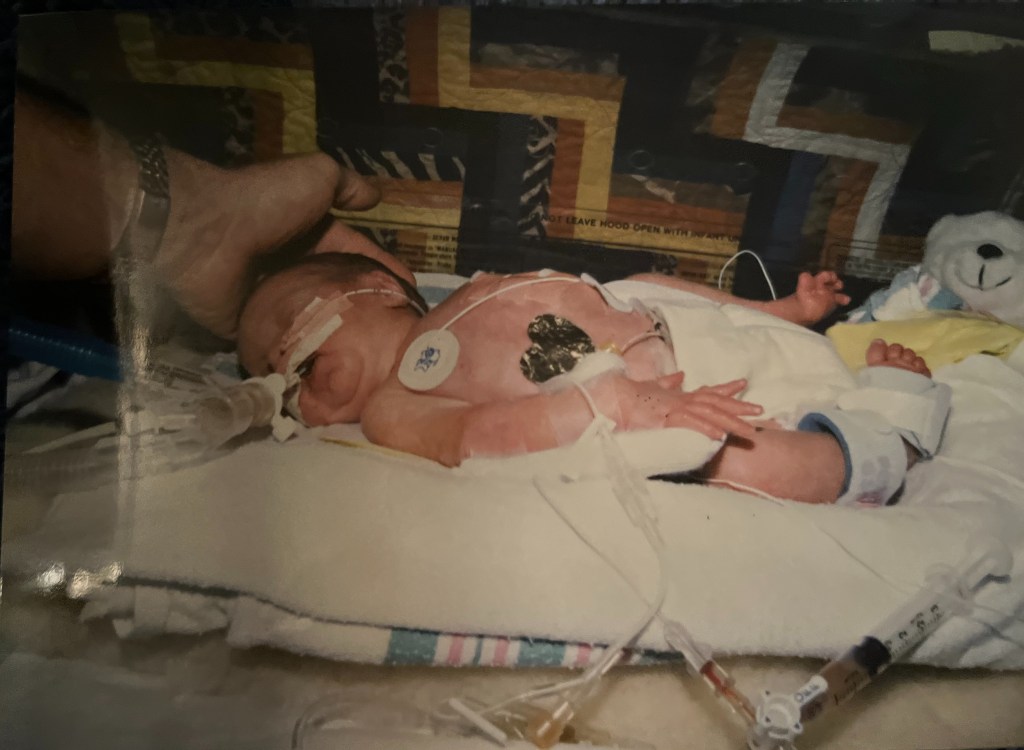
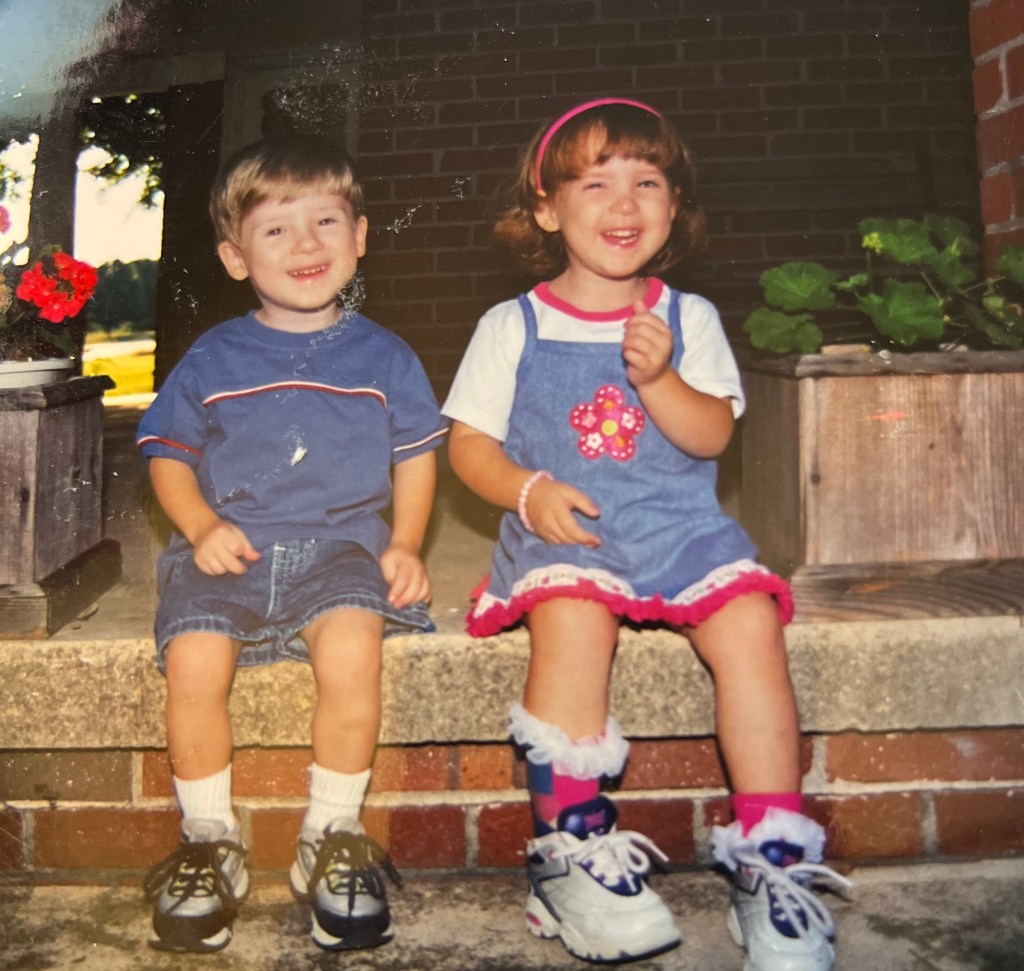
Diagnosed at 2, CP has always been a part of my life. I am a twin, and we were born 10 weeks premature. On an ultrasound shortly after birth, they found a small subependymal hemorrhage in my brain which is likely what caused me to have a mild form of CP. I have right hemiplegic CP, meaning the right side of my body is affected. My leg is affected much more than my arm, although I am left-handed and do notice very mild strength and coordination impairments in my right arm. Spasticity and hypertonia cause some of the muscles on my right side (specifically my calf) to be tight all the time. This causes decreased ankle range of motion, particularly with dorsiflexion, or bringing my toes up. My right leg is also much weaker than my left, especially from the knee down. The combined tightness and weakness cause me to walk a little differently than most, especially when I’m tired. Typically, people walk heel to toe, but I can’t achieve heel contact well due to tightness in the back of my leg and weakness in the front. I also have some foot slap on the right, especially as I fatigue. Weakness of the small muscles in my foot cause it to pronate (flat feet), and I wear supportive tennis shoes the majority of the time to help prevent pain. It is also hard for me to balance on my right leg.
When I was little, my CP was much more noticeable, and I was very open about it as it’s kind of hard to hide when you have a big cast or brace on your leg. After tibial de-rotation and gastrocnemius recession surgeries, orthotics, Botox injections, and casting, my gait improved, and as I got into middle school, my CP became more of an “invisible” disease. I still walked with a slight limp and fatigued easier than my classmates in gym class, but on a normal day, most people didn’t even know I had it. As a middle schooler just trying to fit in, I couldn’t have asked for anything more. When people did ask why I was limping, I would just tell them I hurt my ankle. Outside of my family and close friends, no one knew.



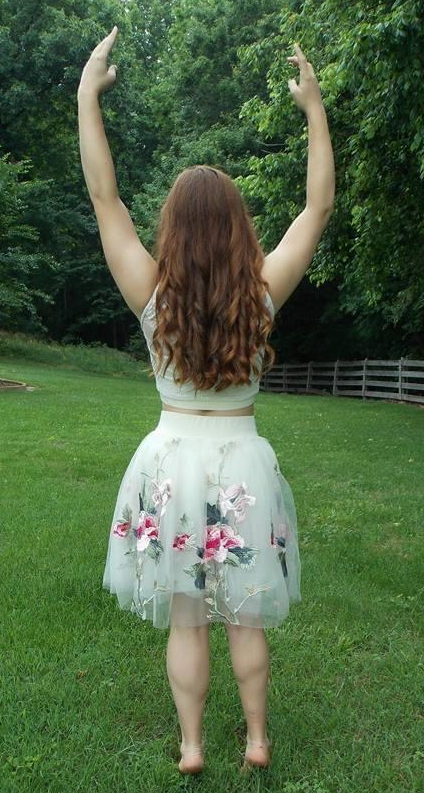
In 7th grade, I started taking dance classes which was hard for me at first, both mentally and physically. Many simple things most dancers found easy were difficult for me. I couldn’t point my toe well, my foot was always sickled, and I often lost my balance when doing anything involving standing on my right leg. There was nothing more frustrating to me than knowing exactly what I needed to do, telling my body to do it, but it just wouldn’t allow me. Luckily, I had amazing teachers who supported me, pushed me, and thought of creative ways to work around the CP and, when we couldn’t, encouraged me to do the best I could. I remember standing on stage about to start my senior solo thinking about how far I had come and telling myself it won’t be perfect but that was okay. I just strived to never settle for anything less than my best. Dance instilled in me a passion for movement and gave me so much more confidence and trust in my body. After graduating high school, I moved on to college to pursue a career in physical therapy with a goal to help others through movement and help instill that never settle mentality in them as well.

Physical therapists are trained movement experts. Analyzing movement is what we do and once you learn it, you do it constantly. Everywhere I go I am watching people walk and thinking about what impairments they have or how they need to adjust their walker. It was hard for me at first being surrounded by current and future PTs because my “invisible” condition was suddenly not so invisible. I often found myself thinking about how I was walking and trying to get that heel strike that’s nearly impossible for me to get to prevent people from asking questions. Now, I have learned to embrace my CP and share about it more often to help others learn more. I slowly started opening up about it, first to close friends, and then the rest of my class.
Before PT school, I didn’t realize how much CP does impact me and how many compensations I had developed throughout childhood to account for the weakness and tone on one side. I am so thankful to be able to walk, run, and do most anything I want to do. However, although I have a mild case of CP, it does still affect me, and it will for the rest of my life. I’ve learned that it’s important not to let it define me, but to acknowledge it so that I can take care of myself to provide the best care for my patients. Physical therapy is a very physically demanding career. You are constantly on your feet, exercising, moving, and lifting patients. CP doesn’t hold me back from doing any of this, however, I do have to be more aware of my balance, foot placement, and my own limitations. I remember becoming anxious when practicing gait training for patients post-stroke because I physically couldn’t get into the position I needed to due to a combination of being petite and range of motion deficits. At times, I did question if I was strong enough and capable of being a PT. However, another thing PTs are known for is creativity and finding new ways to do things, and that’s what I had to do. Luckily, I have such supportive friends and classmates who would talk through things with me and stay after class to practice skills to ensure I was confident in my abilities. They never doubted me when I doubted myself.
Throughout PT school I have learned so much more about CP myself. There are so many things I have experienced my entire life which I had no clue were related to CP until now. For example, first year of PT school we were assessing for ankle clonus in lab, which is a common finding with many neurological disorders including CP. I did indeed have it, which explains why my foot usually “bounces” when I slam on brakes. Slamming on the brakes forces my foot up into dorsiflexion which induces clonus. One day, I was taking a neuro practical with a classmate and was SO nervous. My right calf and ankle would not relax for anything. My poor lab partner was trying to do a gait assessment on me, and I couldn’t even walk correctly because my ankle would not relax. Turns out, stress increases spasticity which would explain the inability to relax. I can laugh about that lab experience now, but it was stressful in the moment! I also learned more about the surgeries I had as a child, how the Botox injections I received work, and that the casts I had were actually serial casts to increase my dorsiflexion range of motion.


Physical therapy school has given me many opportunities to work with others with CP, and it has been the absolute best! I work as a graduate assistant in a lab conducting clinical research with children who have hemiplegic CP, which has been one of the coolest and most rewarding experiences! The lab conducts week-long intensive therapy camps, and it is so fun working with the kids to help them reach their goals and watching them have fun with other kiddos like them who have CP. I have also treated many patients of various ages with CP during my pediatric clinical. This semester, I had the opportunity to work with an adult who has CP and it was such a fun, rewarding experience! I feel like adults with CP are often left behind, but it’s important to remember that the condition is permanent, and children with CP grow into adults with CP. Although the brain damage itself does not worsen, aging with CP can come with it’s own set of challenges. Movement differences CP causes can put a lot of added stress on the body and can lead to things such as fatigue, chronic pain, increased falls, difficulty walking, and early-onset arthritis. This is why staying active is so important for those with CP, and it was great to be able to help my patient do that! Her case was very different than mine, but I still related to her in some ways. I loved getting to work with her, and help her make progress towards her goals. Working with her and other patients has also motivated me to to make my own therapy more of a priority so I can be as strong as possible for myself and my patients and have a long career as a PT.
Everyone has their own set of challenges and CP just happens to be one of mine some days. Yes, it makes certain aspects of physical therapy a little more difficult, but it also helps give me a greater understanding of what my patients are going through. I understand not wanting to wear an orthotic to “fit in”. I understand what it’s like having one leg that is significantly weaker than the other. I understand the frustration when you ask your body to do something that seems so simple but it just won’t. As I progress through the remainder of PT school and move into my career, I hope to continue to push myself and my future patients to embrace challenges and adapt to overcome them.


 Katie Woosley
Leave a reply to Kiara Tenney Cancel reply